
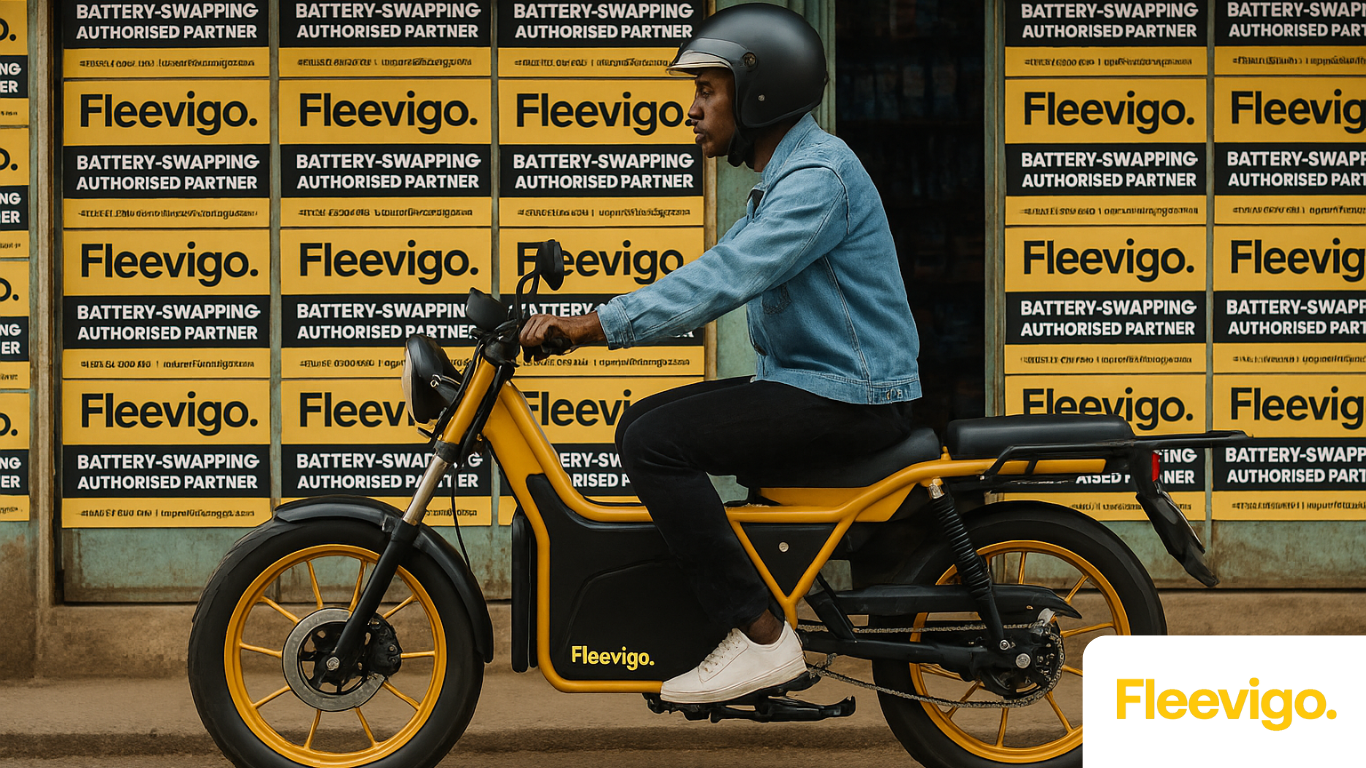
Kenya’s urban mobility is evolving at lightning speed. With the rise of electric motorcycles in Kenya, riders and fleet operators are faced with an important decision: Should you stick to traditional charging, or switch to battery swapping?
For delivery fleets where time literally means money, the choice can determine efficiency, profits, and customer satisfaction. Let’s break it down.
1. Speed: Minutes vs Hours ⚡️
- Charging: Even with fast chargers, riders often wait 1–4 hours for a full battery. Standard charging can take much longer, and during that time, the bike is idle and earning nothing.
- Swapping: Battery swapping takes under 2 minutes. Riders simply exchange the depleted battery for a fully charged one and get back on the road instantly.
👑 Winner: Swapping. Unbeatable for fleets that can’t afford downtime.
2. Cost: Lower Investment Over Time 🕐
- Charging: Requires riders or fleets to buy large batteries and invest in charging infrastructure. Battery degradation over time also adds replacement costs.
- Swapping: Operators pay for the swap service rather than battery ownership, reducing upfront investment. Maintenance and battery replacement are handled by the swap provider.
👑 Winner: Swapping. Especially for fleets wanting predictable costs and lower capital investment.
3. Uptime: Maximum Earning Potential 💰
- Charging: Every charging break cuts into daily delivery capacity, limiting how many orders a rider can fulfill.
- Swapping: Keeps bikes running almost nonstop, which means more deliveries per day, happier customers, and higher revenue for the fleet.
👑 Winner: Swapping. Maximum uptime equals maximum income.
Why Battery Swapping is Winning in Kenya 🇰🇪
In busy city, traffic is already a challenge and the last thing riders need is to waste hours waiting for a charge. Battery swapping solves this, offering:
✅ Faster turnaround times
✅ Lower maintenance costs
✅ Better scalability for delivery fleets
As the EV ecosystem expands across Africa, swapping stations are becoming more accessible, making it the smart choice for delivery heroes, gig workers, and fleet operators.
🚀 Fleevigo is leading the way in Africa’s battery swapping revolution, helping riders earn more, ride longer, and work smarter.
📞 Want to know more?
Get in touch with us today to learn how Fleevigo can power your deliveries and grow your business.
📧 Email: kenya@fleevigo.com
📱 Whatsapp: +254 113 286 286
🌐 Website: www.Fleevigo.com