
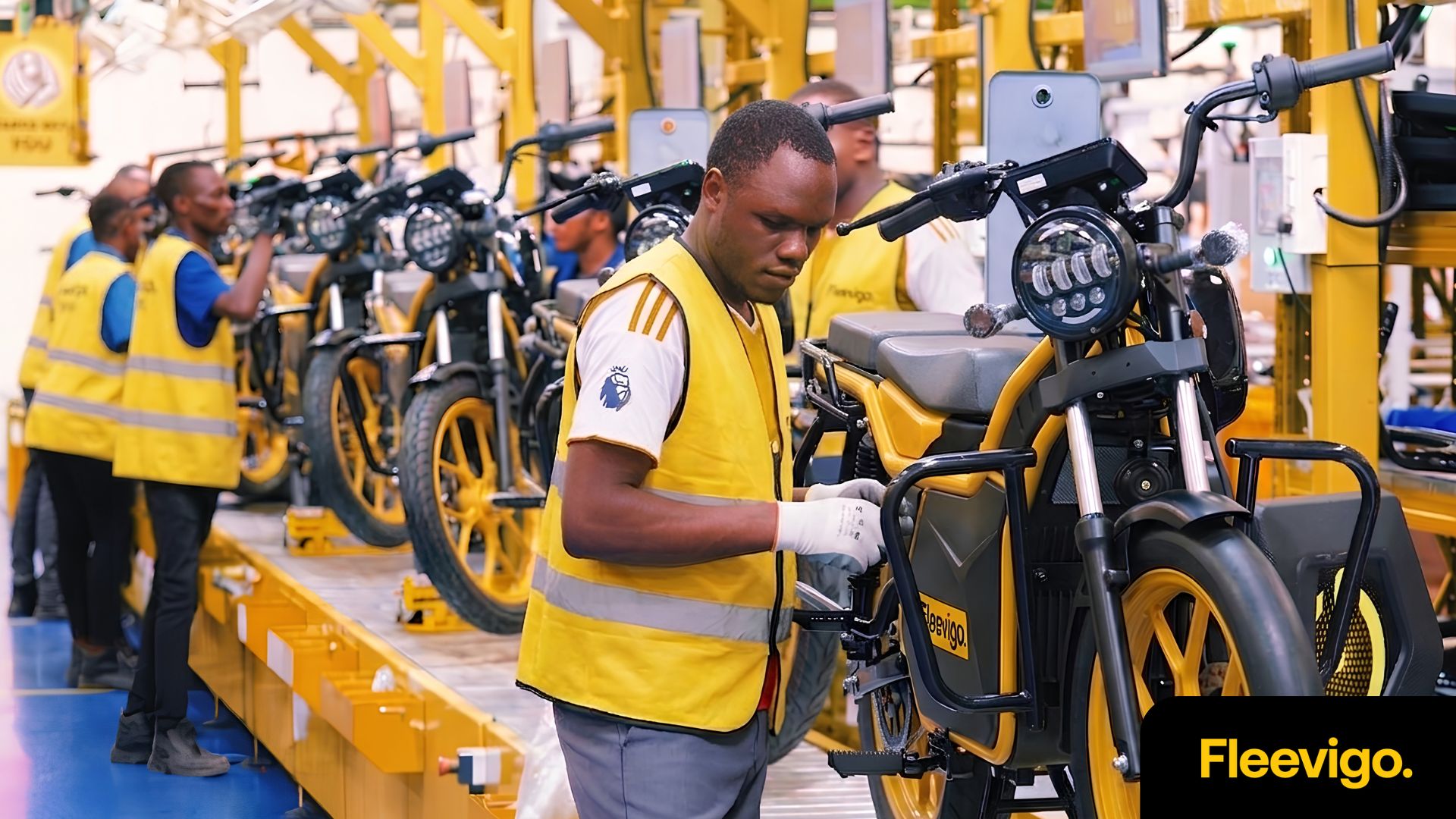
The Next Phase of Electric Mobility: Beyond the Vehicle
The global transition toward electric mobility is accelerating. Across markets, electric vehicles are becoming an increasingly important part of the future of transportation, driven by the need for cleaner energy, lower operating costs, and more sustainable mobility solutions.
Africa is becoming an important part of this transition. With rapidly growing cities, increasing demand for transportation, and millions of people relying on commercial mobility for their daily income, the opportunity for electric vehicles across the continent is significant.
However, the success of electric mobility will not be determined only by how many electric vehicles are introduced into the market.
The real challenge is building the ecosystem that allows those vehicles to operate efficiently, remain reliable, and create long-term value for drivers, businesses, and communities.
Electric vehicles are the foundation of the transition, but infrastructure is what allows the transition to scale.
EV Adoption Requires More Than Vehicle Deployment
The early conversation around electric mobility has often focused on the vehicle itself. Discussions typically centre around battery range, vehicle performance, production numbers, and adoption targets.
These factors are important, but commercial mobility requires a broader perspective.
For a private vehicle owner, charging availability may be a matter of convenience. For a commercial rider, delivery operator, or fleet business, vehicle availability directly impacts income and productivity.
A vehicle that spends too much time waiting for energy, maintenance, or support is not operating at its full potential.
This is why electric mobility success cannot simply be measured by the number of EVs deployed. The more important question is whether those vehicles can continue moving every day.
For Africa’s commercial mobility sector, uptime is not just a technical metric.
It is an economic factor.
Infrastructure Is the Foundation Behind Scalable EV Adoption
A successful electric mobility ecosystem requires multiple layers working together.
Energy infrastructure ensures that vehicles have reliable access to power. Battery solutions help reduce downtime and improve operational efficiency. Maintenance networks keep vehicles running. Financing models make adoption more accessible. Digital platforms provide the intelligence needed to manage fleets at scale.
Each element plays an important role.
Without reliable energy access, electric vehicles cannot reach their full potential. Without suitable financing options, many drivers and businesses may struggle to make the transition. Without operational data, fleet operators cannot optimise performance or predict future needs.
This is why infrastructure should not be viewed as a supporting element of electric mobility.
It is the foundation that makes electric mobility possible.
Why Africa Requires a Different EV Approach
Africa’s mobility landscape creates unique opportunities and challenges compared to more developed EV markets.
In many African cities, transportation is closely connected to economic activity. Motorcycles, delivery vehicles, and commercial fleets are not simply modes of transport — they are essential tools that enable people to earn a living and businesses to operate.
This creates a strong opportunity for electric mobility.
Commercial vehicles typically travel longer distances and operate for more hours each day, meaning improvements in energy costs, maintenance efficiency, and vehicle reliability can have a significant impact.
However, these same users also require solutions designed around their daily realities.
A rider cannot afford long periods of downtime. A fleet operator cannot manage unpredictable operating costs. A business cannot scale without confidence that its vehicles will remain productive.
The future of Africa’s EV transition will therefore depend on solutions built specifically for commercial use cases.
Battery Swapping: Enabling Higher Vehicle Utilisation
One example of infrastructure designed around commercial mobility is battery swapping.
While charging remains an important part of the EV ecosystem, battery swapping provides another approach by focusing on vehicle uptime.
For commercial riders and fleet operators, time is directly connected to earnings. Reducing the time required to access energy allows vehicles to return to operation faster and improves overall productivity.
Beyond speed, battery swapping also creates opportunities for better battery management. By managing batteries through a dedicated network, operators can monitor battery health, optimise usage, and improve lifecycle efficiency.
This changes the way energy is delivered.
Instead of treating the battery only as a vehicle component, battery swapping transforms energy access into a service.
Building the Infrastructure Ecosystem for Africa’s Electric Future
The future of electric mobility will not be shaped by a single technology. It will be shaped by how effectively different parts of the ecosystem work together.
A successful transition requires more than placing electric vehicles on the road. It requires a complete system that supports drivers, businesses, and operators throughout the entire mobility journey — from accessing energy, to managing vehicles, to maintaining long-term operational efficiency.
This is where the next generation of EV companies will play a different role.
The industry is moving beyond simply manufacturing and selling vehicles. The companies that create the greatest impact will be those that build integrated mobility ecosystems where vehicles, energy, technology, and services work together.
From EV Providers to Mobility Ecosystem Builders
Electric mobility introduces a fundamental change in how transportation is operated.
In traditional mobility, the vehicle and fuel infrastructure exist as separate elements. Drivers purchase a vehicle, access fuel when needed, and manage operations independently.
Electric mobility creates a more connected model.
The vehicle is linked with energy systems, battery management, software platforms, and operational networks. This creates new opportunities, but it also means that successful EV adoption requires coordination between multiple components.
At Fleevigo, we believe the future of electric mobility depends on building this complete ecosystem.
Providing electric vehicles is only the first step. The larger challenge is ensuring that those vehicles remain accessible, reliable, and productive throughout their lifecycle.
This means developing solutions that address the real challenges faced by commercial users — reducing downtime, improving operational efficiency, and creating practical pathways for adoption.
Creating a Complete EV Ecosystem
For electric mobility to scale, every part of the ecosystem must support the others.
Electric vehicles provide the foundation by offering a cleaner and more efficient alternative to traditional transportation. However, vehicles alone cannot solve the challenges of commercial mobility.
Energy infrastructure ensures that vehicles can continue operating throughout the day. Battery solutions help improve uptime and simplify energy management. Digital platforms provide visibility into fleet performance. Financing models make adoption more accessible for drivers and businesses.
Together, these elements create a stronger mobility system.
This integrated approach is especially important in emerging markets, where commercial vehicles are closely connected to economic opportunity. A successful EV solution must consider not only the technology, but also the people and businesses depending on that technology every day.
Supporting Drivers and Businesses Through the Transition
The transition to electric mobility will only succeed when it creates clear value for the people using it.
For commercial riders, the benefits must go beyond owning a newer vehicle. The solution must help them operate more efficiently, reduce unnecessary costs, and maintain reliable income.
For businesses, electrification must create operational advantages. Fleet operators need predictable costs, better vehicle utilisation, and the confidence that their vehicles can support long-term growth.
This is why Fleevigo focuses on building solutions around real mobility needs rather than simply introducing new technology.
The goal is not only to replace existing vehicles with electric alternatives.
The goal is to create a better operating model for transportation.
Technology as the Intelligence Layer of Mobility
As EV fleets grow, technology will become increasingly important in managing performance and scalability.
Digital tools allow operators to understand how vehicles are being used, monitor battery performance, identify maintenance needs, and make better operational decisions.
This intelligence layer transforms electric vehicles from standalone assets into connected mobility systems.
For fleet operators, this means greater visibility and control. For drivers, it means improved reliability and support. For the wider ecosystem, it creates the ability to scale more efficiently.
The future of mobility will not only be electric.
It will also be connected and intelligent.
Building Africa’s Electric Mobility Future Together
Africa’s electric mobility opportunity is significant, but achieving large-scale adoption requires collaboration across the entire ecosystem.
Vehicle providers, energy companies, technology partners, financial institutions, fleet operators, and local communities all have a role to play.
No single company can build the future of mobility alone.
Progress will come from partnerships that combine different capabilities to solve the complete challenge — from energy access and vehicle deployment to financing and operations.
This collaborative approach is essential for creating solutions that are not only technologically advanced, but also practical and sustainable in real-world environments.
The Road Ahead
The future of Africa’s electric mobility transition will not be defined only by the number of electric vehicles introduced into the market.
It will be defined by the strength of the infrastructure supporting them.
At Fleevigo, we believe that building the future of mobility requires more than providing electric vehicles. It requires creating an ecosystem where drivers can operate with confidence, businesses can scale sustainably, and communities can benefit from cleaner and more accessible transportation.
Electric vehicles are the starting point.
Infrastructure is what enables progress.
And the companies that build this foundation will help shape the next generation of mobility across Africa.
🔗 Join the Movement
Partner with Fleevigo to bring next-gen EV mobility to your city.
🌐 www.fleevigo.com
📲 +254 113 286 286
📧 kenya@fleevigo.com