
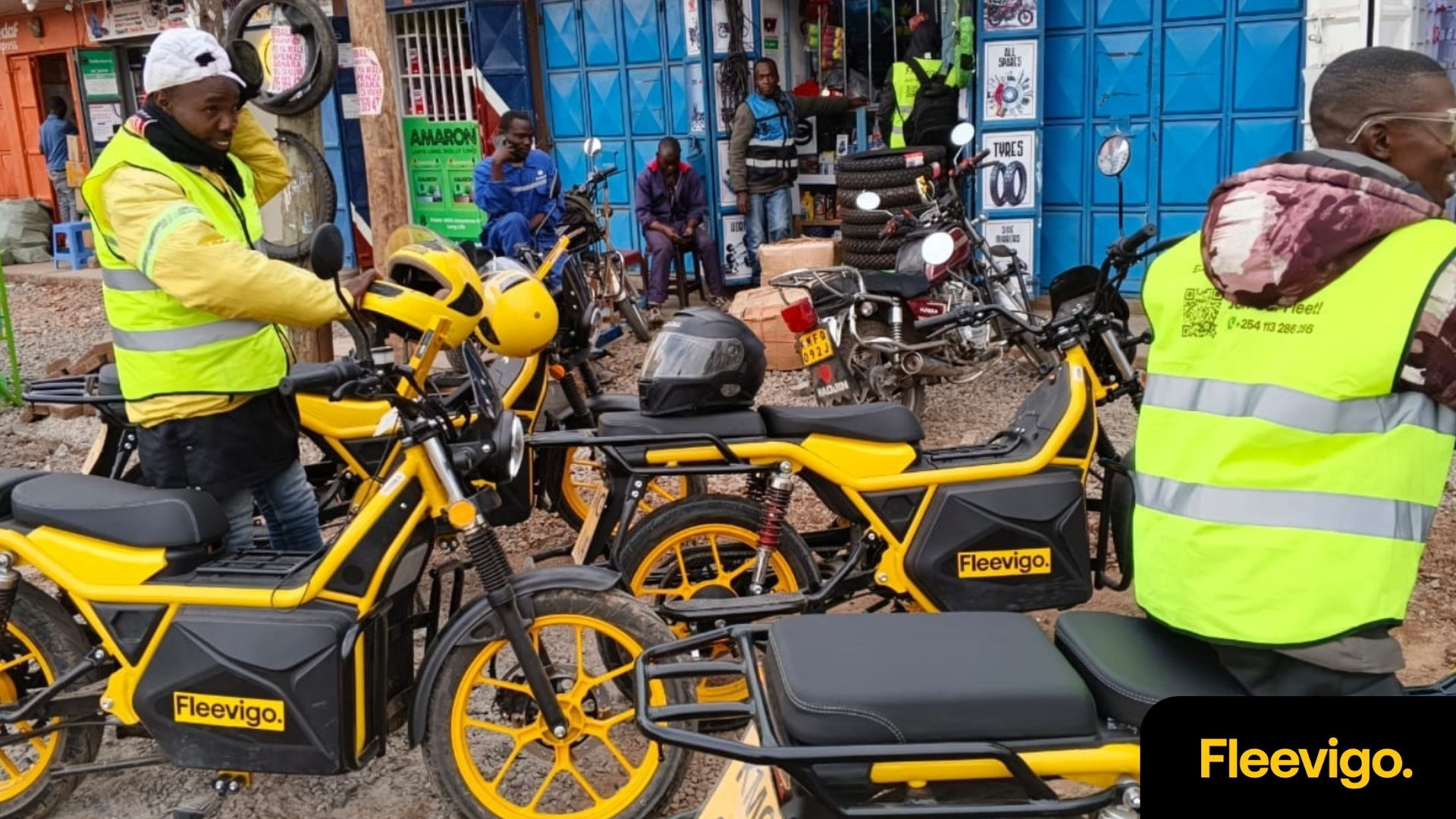
For a boda boda rider, time on the road means opportunity. Every passenger trip completed is another fare earned, while every unnecessary stop can mean fewer trips and less income at the end of the day. This is why electric mobility for riders is not only about having a cleaner or more affordable motorcycle. It is also about keeping the motorcycle ready to work throughout the day.
That is where battery swapping changes the equation. It is often described simply as a faster alternative to charging, but its real value goes beyond the few minutes saved at a swap station. For riders who depend on their motorcycle for their daily income, the bigger benefit is reducing downtime and allowing them to spend more of their working hours on the road.
It’s Not Just About Charging Faster
With a conventional electric motorcycle, recharging can require the rider to stop and wait while the battery replenishes its energy. For someone using a motorcycle privately, this may simply be an inconvenience. For a boda boda rider, however, time spent waiting is time when the motorcycle is not carrying passengers and the rider is not earning.
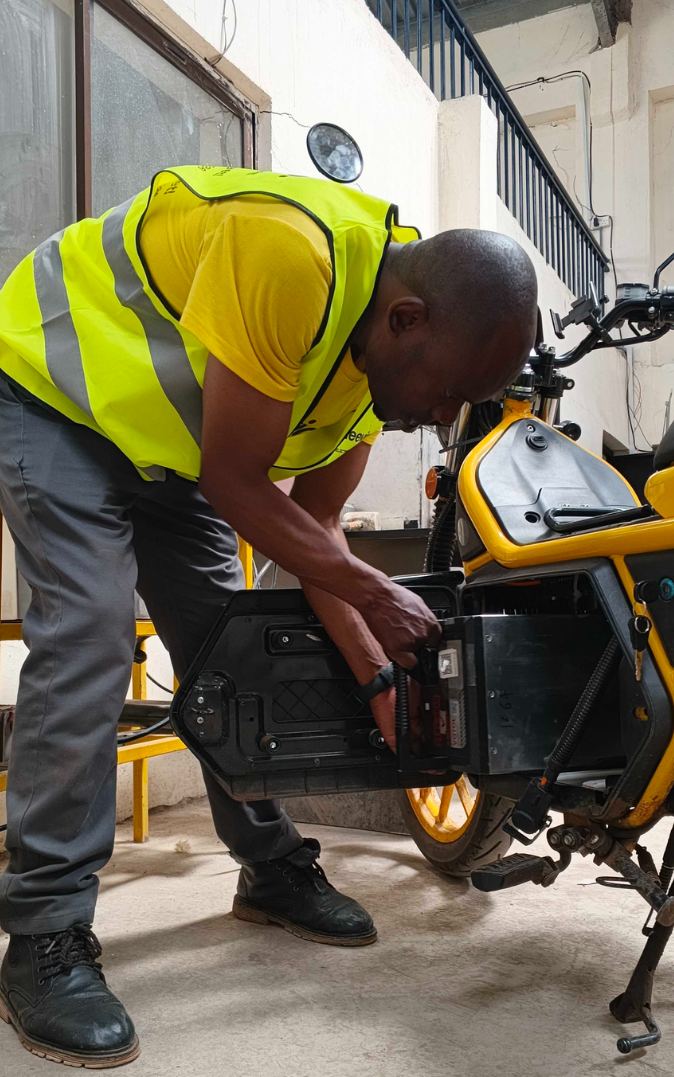
Battery swapping offers a different approach. Instead of waiting for the battery inside the motorcycle to recharge, the rider can exchange a depleted battery for a charged one and continue riding. The process turns energy replenishment from a potentially long interruption into a quick part of the rider’s daily routine.
The important question, therefore, is not simply how quickly a battery can be charged. It is how much time the motorcycle can remain available for productive work.
Keeping Riders on the Road
For riders working long hours, range is only one part of the equation. What matters just as much is how easily that range can be renewed when the battery gets low.
A motorcycle with a large battery may offer considerable range, but if the rider needs to spend a significant amount of time waiting for it to recharge, some of that range may come at the cost of valuable working hours. Battery swapping provides another way to approach the problem by allowing riders to replenish their energy without taking the motorcycle out of operation for an extended period.
This is particularly relevant for boda boda riders, whose working day can involve continuous movement through busy urban areas. Instead of planning their entire day around charging time, riders can use available swap stations as part of their normal routes and return to the road after replacing the battery.
More Riding, Less Waiting
A boda boda is more than a means of transportation for its rider. It is a working asset and, for many riders, an important source of daily income. The more consistently that motorcycle is available, the more opportunities the rider has to complete passenger trips.
This is where battery swapping can create a meaningful operational advantage. Reducing the amount of time a motorcycle spends parked can allow riders to dedicate more of their day to carrying passengers rather than waiting for energy to be replenished.
The benefit is therefore not simply that the battery can be replaced quickly. The bigger benefit is that the rider can potentially spend more productive hours doing what they depend on their motorcycle to do: moving passengers and earning income.
Range Without the Long Stop
Range remains an important consideration when riders evaluate electric motorcycles. A rider needs confidence that the motorcycle can support the demands of a working day, especially when travelling across busy urban areas.
However, range should not be considered only as a number on a specification sheet. Access to energy is equally important. A motorcycle with a practical way to replenish its battery throughout the day can provide a different experience from one that requires long charging periods whenever its battery runs low.
A battery-swapping network can give riders greater flexibility by providing access to charged batteries at strategically located swap stations. Instead of treating the battery’s remaining range as a strict limit, riders can plan around the availability of swap points and continue their journeys after replacing the battery.
A Different Way to Manage Energy
Battery swapping also changes how the motorcycle, battery and energy infrastructure work together. With conventional charging, the battery remains attached to the motorcycle while it is being recharged. The motorcycle therefore needs to remain stationary during that process.
With battery swapping, the battery and motorcycle can operate more independently. A rider can use one battery while another battery is being charged within the network. Once the rider needs more energy, the depleted battery can be exchanged for a charged one, while the removed battery is recharged and prepared for another trip.
This creates a continuous energy cycle that can better match the needs of high-utilization motorcycles. Instead of every motorcycle having to wait for its own battery to recharge, batteries can circulate through the network according to demand.
Why This Matters in Kenya
Kenya has a strong and established boda boda culture, with motorcycles playing an important role in everyday passenger transportation. Riders navigate busy urban streets, connect passengers to their destinations and often spend long hours on the road.
For electric motorcycles to become a practical alternative to petrol motorcycles, the technology needs to fit into this existing way of working. It is not enough for an electric motorcycle to have good performance or lower running costs. Riders also need an energy solution that supports their daily routines.
This is why battery swapping can be particularly relevant for Kenya’s boda boda sector. A commercial motorcycle cannot afford unnecessary downtime. When the motorcycle is parked and unavailable, the rider is losing an opportunity to carry a passenger and earn.
By making energy replenishment faster and more convenient, battery swapping can help electric motorcycles fit more naturally into the working patterns of riders.
From an Electric Motorcycle to an Electric Mobility System
The transition from petrol motorcycles to electric motorcycles is often presented as simply replacing one powertrain with another. In reality, successful electrification requires more than the motorcycle itself.
It requires a supporting ecosystem of batteries, swap stations, energy infrastructure, technology and riders. When these components work together, the electric motorcycle becomes part of a broader mobility system designed around how people actually use their vehicles.
For riders, that means electric mobility does not have to mean changing the way they work. Instead, the technology can be designed to support the way they already work, while helping them reduce fuel-related costs, minimize downtime and remain productive throughout the day.
The Real Value of Battery Swapping
Battery swapping is often introduced as a solution to one problem: charging takes too long. But for commercial riders, the bigger issue is not charging speed by itself. It is the amount of productive time lost while the motorcycle is unavailable.
That is why the value of battery swapping goes beyond faster energy replenishment. It can help keep motorcycles operational, give riders greater flexibility during long working days and support a model where energy availability is built around the rider’s needs.
For a private vehicle, charging may simply be an inconvenience. For a boda boda rider, extended downtime can directly affect daily earnings.
Battery swapping addresses that difference.
It is not simply about charging a battery faster. It is about keeping riders moving, keeping motorcycles productive and making electric mobility work for the people who depend on it every day.
Join the Electric Mobility Movement
Battery swapping is more than a faster way to recharge. It is a smarter way to keep riders moving, motorcycles productive, and cities connected.
Fleevigo is building a practical electric mobility ecosystem designed around the needs of riders in Kenya. Whether you are a rider looking to make the switch, a business interested in partnering with us, or a mobility partner ready to support the transition to electric, there is a place for you in the movement.
Together, we can accelerate the shift to cleaner, smarter, and more accessible urban mobility.
🌐 www.fleevigo.com
📲 +254 113 286 286
📧 kenya@fleevigo.com